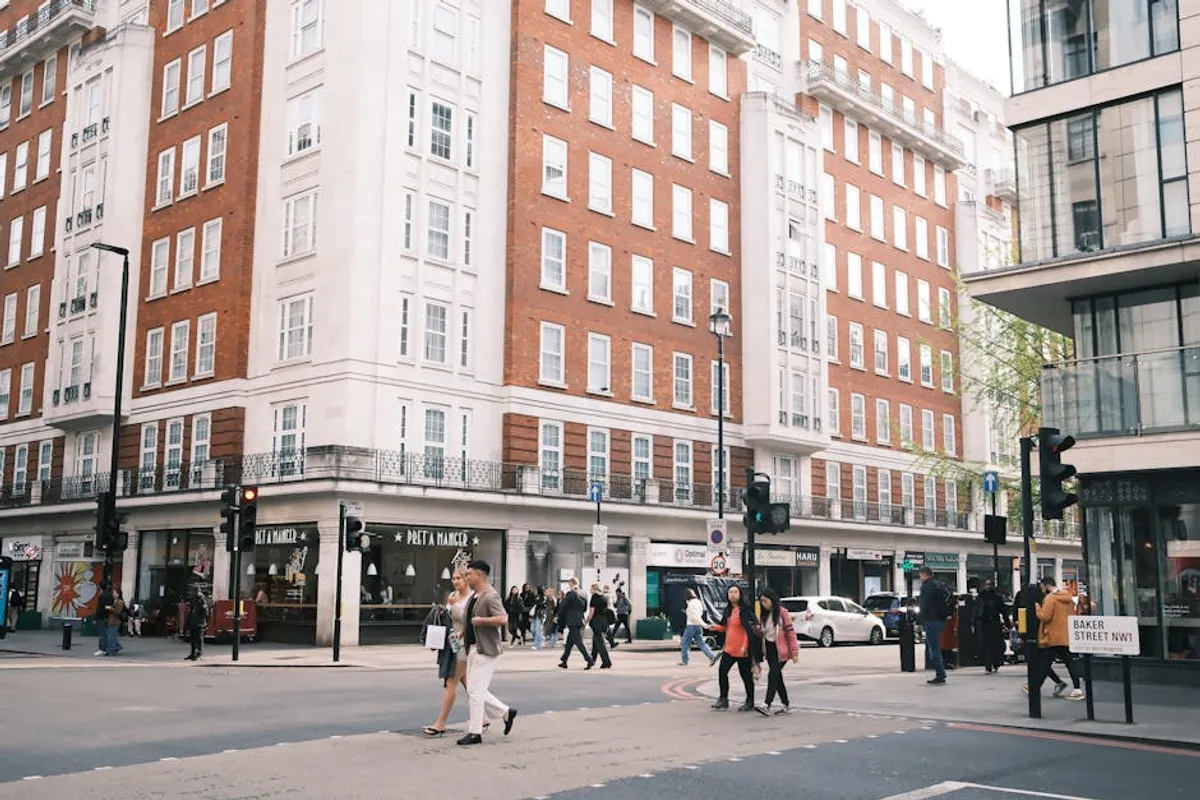
The online presence surrounding "Mayfair London" often centers on a rich tapestry of content reflecting its status as a premier global destination. Analyzing the search profile for a domain dedicated to this iconic district reveals a strategic approach to capturing diverse user intent, from informational queries about its history and culture to highly commercial searches for luxury experiences, property, and services. Understanding the content categories, audience segments, and search visibility patterns provides a clear picture of how such a site positions itself within a competitive digital landscape.
What a Site About Mayfair London Appears to Cover
A website focused on Mayfair London typically curates content across several key thematic clusters. Detailed guides on luxury shopping are prominent, often categorizing boutiques by designer, product type (e.g., bespoke tailoring, fine jewelry), and specific streets like Bond Street or Savile Row. Culinary content explores the district’s high-end dining scene, featuring Michelin-starred restaurants, exclusive private members' clubs, and traditional British establishments, often segmented by cuisine, price point, or dining experience. The arts and culture section frequently highlights Mayfair’s numerous art galleries, auction houses, and cultural institutions, including exhibition schedules, artist profiles, and art market trends.
Beyond leisure, a significant portion of content addresses the property market, offering insights into residential sales and rentals, commercial real estate, and investment opportunities within the area. This includes market reports, neighborhood guides for potential residents, and architectural features of historic and contemporary buildings. Practical information is also a staple, covering local services, transportation options, event listings, and visitor guides that detail attractions, accommodations, and general advice for navigating the district. Content related to "safety" would typically manifest as informational articles on local security measures, general travel advice for visitors, or crime statistics for the area, framed as an objective overview rather than direct counsel.
Where Its Search Traffic May Come From
Search traffic for a Mayfair London-centric site would likely originate from a blend of broad informational queries and highly specific commercial or navigational searches. Informational queries might include "history of Mayfair," "best art galleries Mayfair," or "things to do in Mayfair," attracting users in the early stages of planning or research. Commercial traffic would derive from searches such as "luxury apartments Mayfair for sale," "Mayfair fine dining reservations," or "bespoke tailor Bond Street," indicating strong buyer intent. Navigational queries, like "Claridge's hotel Mayfair" or "Royal Academy of Arts opening hours," target users looking for specific entities or direct access to their information.
Geographical modifiers are crucial, with many searches including "London," "Mayfair," or specific street names, signaling local intent or interest in the district itself. International searches, particularly from affluent demographics in the US, Middle East, and Asia, are also significant, driven by tourism, investment, and luxury consumption. The site's authority on these topics, built through comprehensive and well-structured content, dictates its visibility for these diverse search patterns.
Search Intent Behind Mayfair London Content
The audience engaging with content about Mayfair London typically exhibits a range of sophisticated search intents. Informational intent is high among those seeking to understand the district's heritage, cultural significance, or current events. This includes tourists researching their itinerary, students studying urban history, or general enthusiasts of luxury and culture. Commercial intent is evident from users actively looking to make purchases or investments, such as booking hotel stays, dining experiences, purchasing high-value goods, or exploring real estate opportunities. This segment often uses highly specific long-tail keywords. Navigational intent applies to those seeking particular businesses, landmarks, or services within Mayfair, often already familiar with the district and looking for direct access to information or contact details. The site's content strategy aims to capture all these distinct phases of the user journey, from initial discovery to transactional decision-making.
Why Traffic May Rise or Fall
Organic traffic for a Mayfair London resource can fluctuate based on several factors. Seasonal tourism trends significantly impact visibility for travel and leisure content, with peaks during holiday periods, major events, and favorable weather months. Economic indicators, particularly those affecting luxury spending and international travel, can influence commercial search volumes for high-end retail, dining, and property. Major local events, such as art fairs, fashion weeks, or cultural festivals, can drive temporary spikes in relevant content. Algorithmic updates from search engines also play a critical role; changes affecting local search, content quality assessments, or schema markup implementation can alter visibility across the site. Furthermore, the competitive landscape, with new sites or established entities gaining authority, can shift keyword rankings and traffic share. Content covering "alternatives" to Mayfair, whether other luxury districts or different types of experiences, could see traffic variations based on economic shifts or changing travel preferences.
How the Site Could Improve Organic Visibility
To enhance organic visibility, a Mayfair London site could focus on several strategic areas. Developing deeper, more granular content around niche aspects of the district, such as specific historical anecdotes, unique architectural features, or profiles of lesser-known local artisans, could capture long-tail search demand. Implementing comprehensive local SEO strategies, including optimized Google Business Profile listings for featured businesses and robust schema markup for addresses, events, and reviews, would improve local search performance. Expanding video content, particularly high-quality virtual tours of properties, interviews with local experts, or cinematic portrayals of the district, could attract a different segment of users and increase engagement signals. Regularly updating existing content with current event information, market data, and seasonal recommendations ensures freshness and continued relevance. Building authoritative backlinks from relevant travel, luxury, and real estate publications would also significantly boost domain authority and search rankings. For topics like "safety," providing data-driven insights and expert commentary, rather than generic advice, could establish greater authority.
What to Check Before Trusting Traffic Estimates
Before relying on any traffic estimates for a site focused on Mayfair London, it is crucial to consider the methodology behind the data. Publicly available traffic tools often use sampling methods and estimations that may not fully capture the nuances of a niche, high-value audience. Factors to scrutinize include the recency of the data, the source of the traffic (e.g., direct, organic, referral), and the specific keywords driving that traffic. Websites targeting affluent or highly specific demographics, like those interested in Mayfair, can have lower absolute traffic numbers but significantly higher conversion rates or average order values, which raw traffic figures alone do not reflect. A comprehensive assessment requires access to the site's internal analytics, such as Google Analytics or similar platforms, to understand user behavior, conversion paths, and true audience demographics. Without direct access, any external traffic estimate should be treated as an indicative trend rather than a precise measurement of performance.
What types of content does a Mayfair London site typically publish?
A site focused on Mayfair London typically publishes detailed guides on luxury shopping, fine dining, arts and culture, and the local property market. It also includes practical visitor information, event listings, and historical context about the district.
Who is the primary audience for Mayfair London content?
The primary audience includes luxury tourists, potential property investors, high-net-worth individuals seeking exclusive services, art enthusiasts, and individuals interested in the cultural and historical significance of the Mayfair district.
How does a Mayfair London site address "safety" in its content?
Content related to "safety" usually takes the form of informational articles covering local security measures, general travel advice for visitors, or objective overviews of crime statistics within the area, focusing on awareness rather than direct recommendations.
What does "alternatives" mean in the context of Mayfair London content?
In this context, "alternatives" typically refers to content comparing Mayfair with other luxury districts in London or other global cities, or exploring different types of high-end experiences available within London, catering to varying preferences or budgets.